Designing a learning interface for young judokas
Reducing cognitive load in early motor skill acquisition through visual encoding.
Context
As a judo coach working with children aged 4–10, I repeatedly noticed a pattern.
When teaching techniques, instructions like:
- “Step with your left leg”
- “Grab with your right hand”
created hesitation and confusion.
The issue wasn’t physical ability. It was cognitive translation.
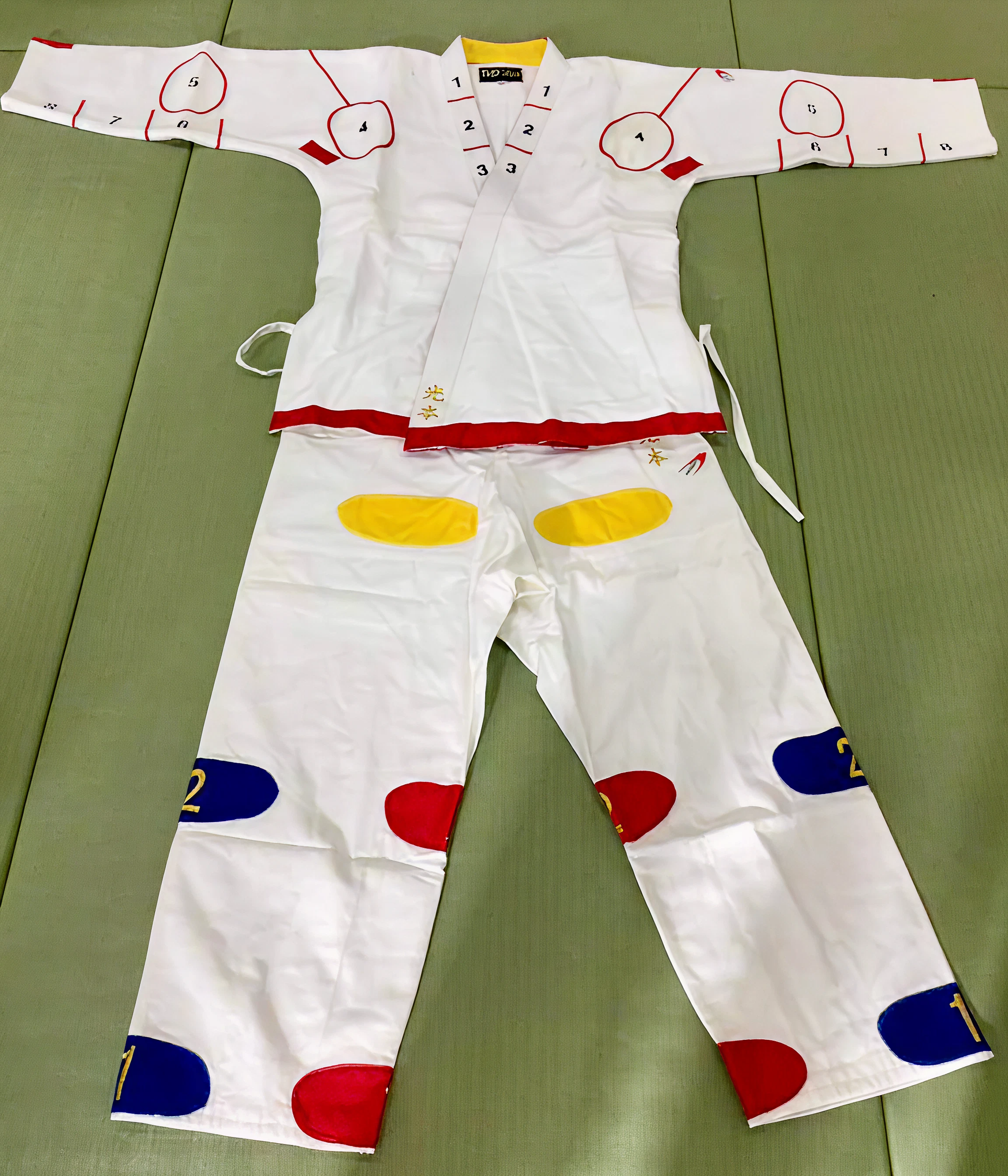
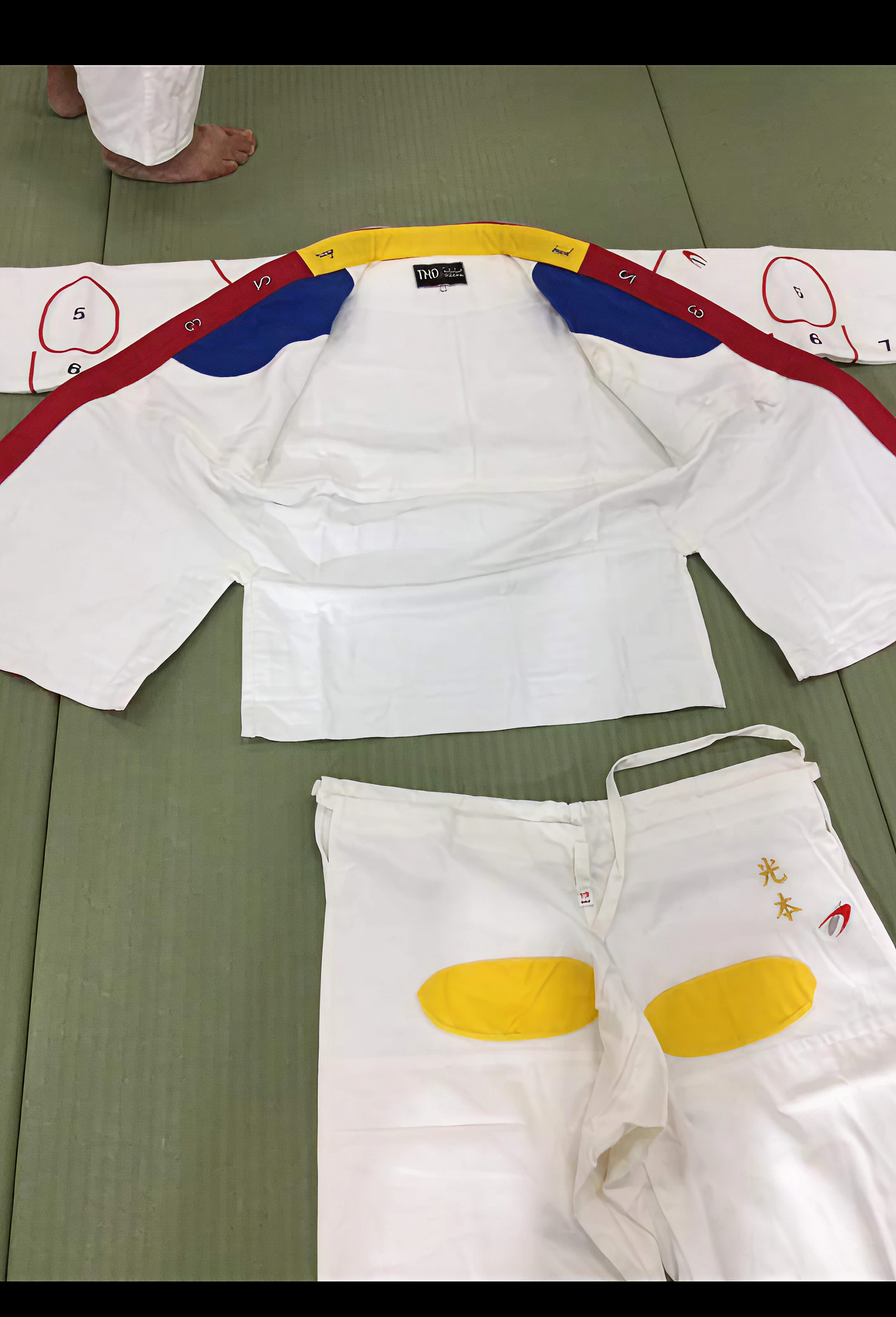
Young children often struggle with abstract spatial concepts like left and right, while responding much faster to concrete cues such as colors and numbers.
This project explored how applying design thinking to sports education could reduce cognitive load and accelerate learning.
The cognitive problem
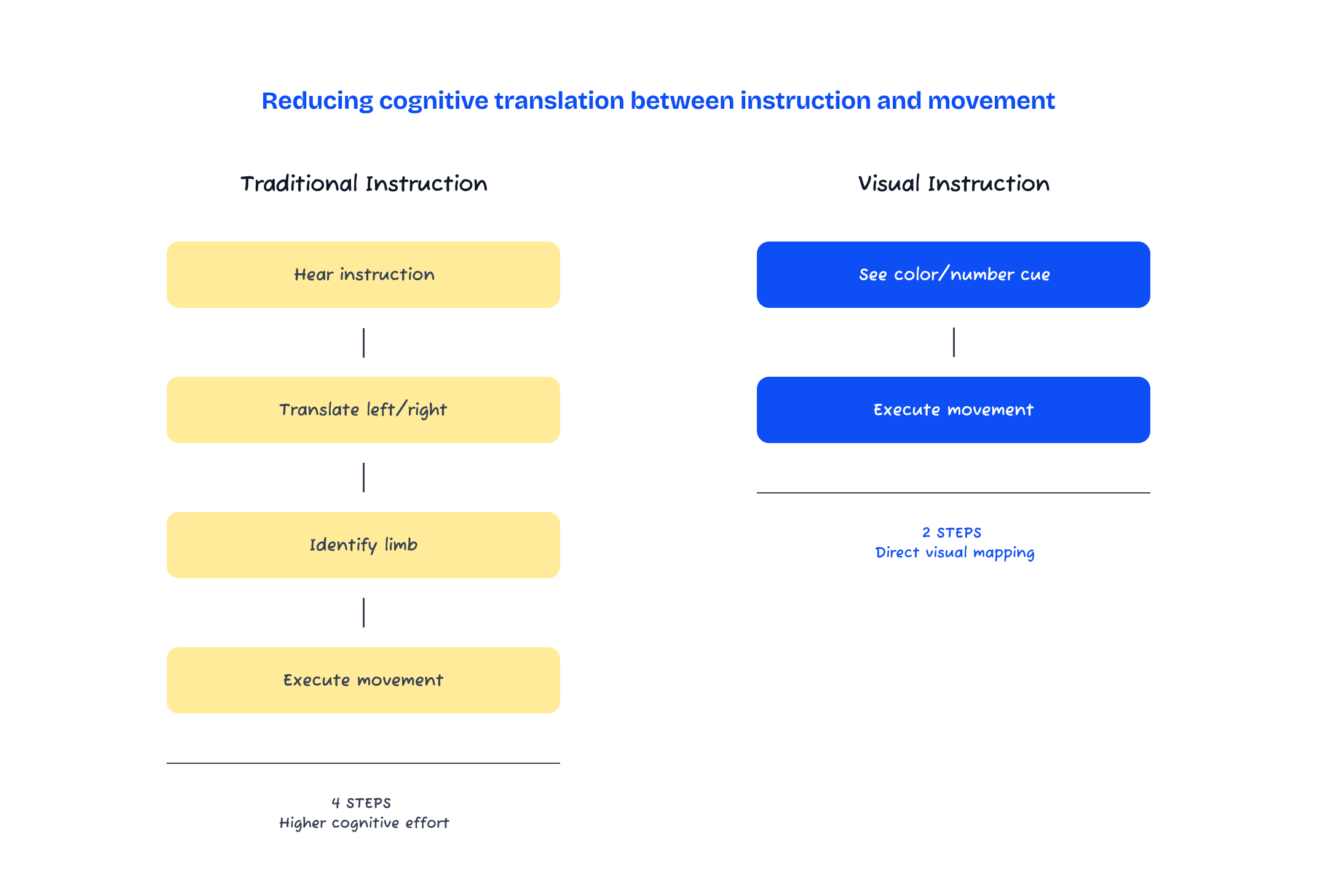
In traditional training, children must:
- Hear the instruction
- Mentally determine left vs right
- Identify the correct limb
- Execute the movement
That extra mental step increases effort and slows reaction time.
Research in child cognition shows that young children rely more on visual and familiar references than abstract spatial language. When instruction does not align with cognitive readiness, learning becomes inefficient.
The friction was not in the technique. It was in how it was communicated.